
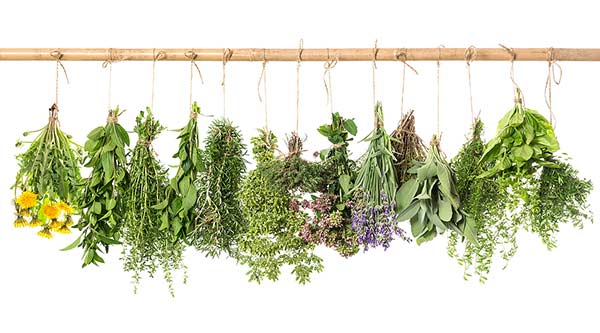
Because winter cooking deserves more than sad, floppy, store-bought parsley
It’s December in Zone 6b. Outside, your garden beds are peacefully hibernating under frost, snow, and possibly a pine needle or two blown in from your neighbor’s yard. But inside?
Inside your home can smell like Mediterranean sunshine, Thai street food, or Italy in July — all thanks to the magic of an indoor herb garden.
Indoor herbs are the winter gardener’s secret sauce (sometimes literally). They’re beautiful, delicious, easy to grow, and they make your holiday meals taste like you’ve been simmering them in culinary expertise for years.
Let’s dive in.
1. The Best Herbs to Grow Indoors (Zone 6b Winter Edition)
These herbs don’t just survive indoors — they thrive on a windowsill or under a grow light.
🌿 Parsley
- Flat-leaf or curly — both do beautifully
- Mild, fresh flavor
- Perfect for soups, potatoes, stuffing, dips, and every holiday dish ever
- Slow grower, but steady once established
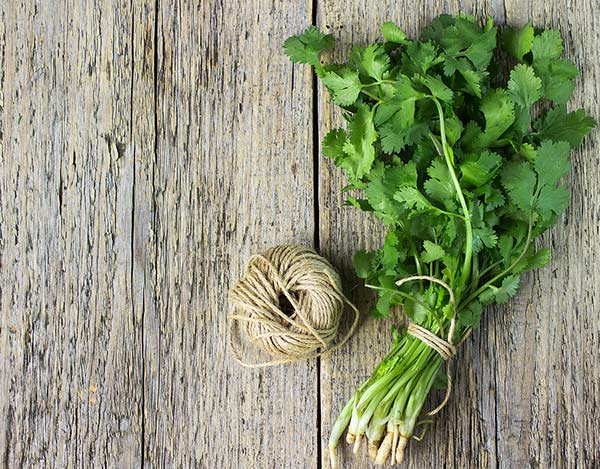
🌿 Cilantro
- Cool-weather lover (great for winter)
- Use in tacos, curries, guacamole, and soups
- Warning: bolts easily if warm → keep it cool
- For more “fun” facts about this little herb, see the bonus info at the bottom of this article. (This is provided to those who, like Julia Childs and me, are cilantro adverse.)
🌿 Thyme
- Practically immortal
- Low-maintenance, drought tolerant
- Amazing in roasted veggies, breads, stuffing, chicken, and potatoes
🌿 Oregano
- Mediterranean queen
- Strong aroma, thrives in dry conditions
- Great for sauces, pizzas, and roasted dishes
🌿 Chives
- Easy, reliable, endlessly cheerful
- Tastes like onion but cuter
- Sprinkle on eggs, potatoes, soups, and EVERYTHING
🌿 Mint
- Fresh, fast, and slightly aggressive
- Keep it in its own pot unless you want it to take over your entire kitchen
- Great for tea, cocktails, desserts, and fruit salads
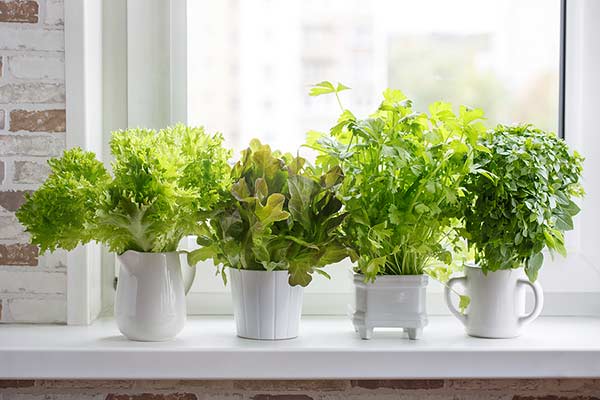
2. Light Requirements (a.k.a. The Herb “Spa Package”)
Indoor herbs are like houseguests — give them good lighting, and they stay happy.
Best Light Option: South or Southwest Windowsill
- 4–6 hours of bright, indirect sunlight
- Parsley, cilantro, oregano, thyme, and chives LOVE this
Grow Light Option
If your winter sunlight is basically “emotional support lighting,” use LEDs:
- Full-spectrum LED grow lights
- Keep lights 6–10 inches above herbs
- 12–14 hours per day
- Set on a timer so you don’t have to micromanage
Herb-Specific Light Love Levels
- High Light: thyme, oregano, mint
- Medium Light: parsley, cilantro, chives
- Low Light (surprisingly okay): mint, parsley
If herbs lean toward the window like they’re trying to escape, rotate them every few days.
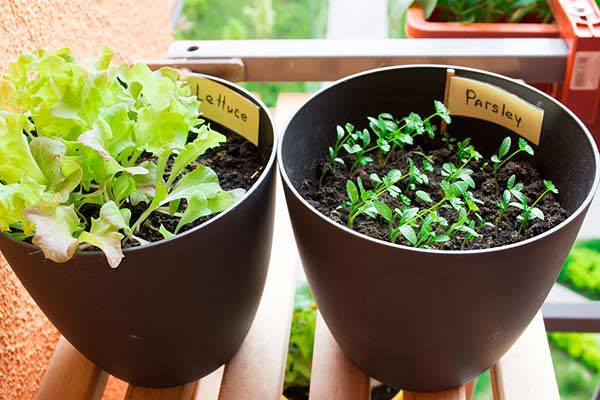
3. Best Soil Mixes for Indoor Herbs
Indoor herbs need the right soil to avoid becoming droopy divas.
The Ideal Mix:
- 50% high-quality potting mix (not garden soil!)
- 25% compost or worm castings
- 25% perlite or coarse sand
This blend gives you:
- Good drainage
- Enough nutrients
- Airy structure
- Fewer fungus gnats
If your soil smells swampy or stays wet for more than 2 days, it needs more perlite.

4. Preventing Fungus Gnats (Your Winter Frenemies)
Fungus gnats are the fruit flies of the gardening world — annoying, persistent, and attracted to soggy soil.
Keep them away by:
- Letting the soil dry slightly between waterings
- Watering from the bottom
- Adding a thin layer of coarse sand on top of the soil
- Avoiding compost that’s too rich indoors
- Keeping fallen leaves cleaned up
- Using sticky traps if needed
If you already have gnats:
- Mix one teaspoon neem oil in 1 quart of water → bottom-water with this once a week for 2–3 weeks
- Let the soil dry more thoroughly
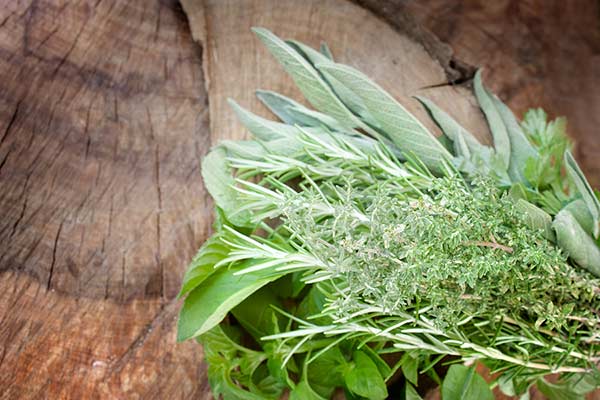
5. How to Harvest Without Killing Your Herbs
Because herbs are friends, not dinner sacrifices.
✔ Parsley & Cilantro
Cut outer stems at the base, leave the center alone.
This encourages more tender new growth.
✔ Thyme & Oregano
Snip just above a leaf node.
Think: “Haircut, not amputation.”
✔ Chives
Cut a handful ½ inch above the soil.
They grow back like magic.
✔ Mint
Pinch just above a pair of leaves.
Mint grows like it’s participating in a home makeover show.
General rule:
Never harvest more than ⅓ of the plant at one time.
Anything more, and your herbs may file a complaint.
6. Overwintering Tips (Keeping Herbs Alive Until Spring)
✔ Keep them away from drafts
Cold blasts = herb sadness.
✔ Rotate weekly
Prevents weak, leggy growth.
✔ Water gently
Soggy soil = root rot.
Dry soil = crispy thyme.
Find the happy middle.
✔ Feed once a month
Use diluted fish emulsion or worm tea.
✔ Upgrade pots if roots circle the container
Indoor herbs do NOT appreciate cramped apartments.
✔ Move them back outside in spring
But do it gradually (like a plant vacation), over 7–10 days.

7. Recipe Inspiration: Holiday Herbs in Action
Thyme & Chive Mashed Potatoes
Fold in chopped herbs, butter, cream, and roasted garlic.
Taste it. Cry tears of joy.
Oregano & Rosemary Artisan Bread
Add herbs to your dough before baking.
Your house will smell like heaven.
Parsley-Cilantro Winter Soup Topper
Finely chop parsley, cilantro, and lemon zest.
Sprinkle on soups, stews, or roasted veggies.
Mint Hot Chocolate
Add muddled mint to your hot cocoa.
Trust me — it tastes like a snow day in a mug.
Final Thought
Growing herbs indoors isn’t just practical — it’s fun, fragrant, and makes your winter cooking taste like summer never left. Whether you’re sprinkling fresh parsley on potatoes or stirring mint into cocoa, these tiny indoor gardens bring joy (and flavor!) to the coldest months of the year.
Bonus (for those cilantro adverse among us):
The Great Cilantro Divide (It’s Not You—It’s Your Genes!)
Did you know that cilantro is one of the most hotly debated herbs on Earth? Somewhere between 14–18% of the population have genetics that make cilantro taste like soap. Yep—actual soap. A variant in the OR6A2 olfactory receptor gene makes some people extremely sensitive to the aldehydes that give cilantro its bright fragrance… and that also happen to be used in scented soaps and lotions.
So, if cilantro tastes like you’re chewing on a freshly washed dish sponge? Congratulations—you’re genetically gifted.
Can cilantro haters make it taste better?
Surprisingly, yes. A few tricks can tone down the “soapy” issue:
- Use it dried — Drying drastically reduces those aldehydes, giving a milder, parsley-like flavor.
- Chop it finely or crush it — This activates enzymes that mellow the harshness.
- Add acid (lime, lemon, vinegar) — Acidity balances those sharper notes.
- Use it cooked — Heat breaks down aldehydes, making it far more subtle.
Coriander: Cilantro’s Friendlier Alter Ego
Fun twist: cilantro and coriander come from the same plant (Coriandrum sativum).
The leaves are cilantro; the seeds are coriander, and coriander has a completely different flavor profile that most cilantro-averse people actually enjoy.
What coriander tastes like (and why cilantro-haters love it)
Unlike the fresh leaves, coriander seeds do not contain the soapy aldehydes that bother sensitive tasters. Instead, coriander has a:
- warm
- citrusy
- slightly nutty
- earthy
flavor—more like a cross between toasted citrus peel and mild spice. No soap in sight. This makes coriander perfect for anyone who loves flavor but can’t deal with raw cilantro.
How to let cilantro go to seed (and how long it takes)
If you’re growing cilantro indoors for winter cooking, it will eventually “bolt”—meaning it sends up a flower stalk. Here’s how to turn that into delicious coriander:
- Stop harvesting the leaves once the plant begins elongating or forming buds.
- Cilantro bolts quickly in warmth or bright light—often in 3–6 weeks from seed indoors.
- Allow the plant to fully flower (tiny white umbels).
- After flowering, small green seeds form.
- Wait for the seeds to turn tan or light brown—this means they’re mature.
- Snip the seed heads into a paper bag and allow them to fully dry for 1–2 weeks.
- Rub the dried heads gently to release the seeds.
You now have homegrown coriander. Store it whole for the best flavor and grind it as needed.
How to use coriander (instead of cilantro)
Coriander works beautifully in:
- soups, stews, curries
- roasted vegetables
- Mexican and Indian dishes (many use coriander + lime instead of fresh cilantro)
- marinades
- homemade spice blends
- breads
- pickling recipes
- rubs for chicken, pork, and fish
Bonus: Toasting whole seeds for 1–2 minutes in a dry pan before grinding makes them more aromatic and complex.
For the cilantro-averse
If fresh cilantro tastes like soap, coriander offers:
- flavor depth
- brightness
- herbal warmth
…with zero aldehyde drama. Think of it as cilantro’s chill sibling who never causes a fight at family dinner.