
Your Zone 6b Guide to Mastering the Mighty Alliums — From Seed to Storage!
If you’ve ever dreamed of harvesting onions so gorgeous your neighbors gasp, leeks that look like they belong in a French kitchen, or shallots that make store-bought ones feel inferior… buckle up. You’re about to become an Allium Aficionado.
Growing onions, leeks, and shallots from seed isn’t just doable — it’s borderline magical. (No offense to garlic, but onions carry the real star power.) With a little planning, a little patience, and a little light trim-job every now and then, you’ll be harvesting bulbs that taste better, store longer, and—let’s be honest—feel like a personal triumph.
Ready to begin? Let’s peel back the layers.
Why Start Alliums From Seed?
Three reasons:
- Superior variety choices
Seed catalogs offer sweet onions, long-storage onions, red onions, candy onions, “makes you cry from joy” onions… far more options than the sad bundles at the feed store. - Healthier plants
Seed-grown onions aren’t exposed to disease like commercially grown sets often are. - Much larger bulbs
Starting from seed allows you to time growth perfectly for your climate.
And for Zone 6b high-country gardeners, timing is everything—because onions are day-length-sensitive. When days get longer in late spring, onions stop growing leaves and start forming bulbs.
More leaves → bigger bulbs.
It really is that simple.
Which brings us to our first big choice…
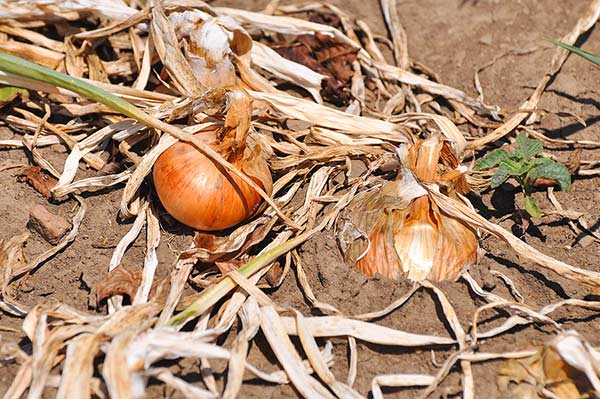
When Should You Start Onion Seeds? November or January?
Great news: Both work!
You’re not wrong no matter which camp you choose — the Early Birds or the January Crew. But each comes with pros and cons.
Option 1: Start in November (The Overachiever Method)
Great for gardeners who want onions the size of baseballs and don’t mind babysitting seedlings over winter.
Pros:
- Longest growing season
- Biggest bulbs
- Strong, hearty seedlings
- Early harvests
Cons:
- Requires space and steady care during the holidays
- Seedlings need regular trims
- More time for fungus gnats to contemplate moving in
- You will become inexplicably attached to your onion babies
Best for: Anyone planting a lot of onions or chasing maximum bulb bragging rights.
Option 2: Start in January (The Sensible Human Method)
Most gardeners start onions around mid-January — it’s a good balance between results and sanity.
Pros:
- Easy timeline
- Less indoor space required
- Still produces excellent bulbs
Cons:
- Plants may be thinner
- Slightly smaller mature bulbs
- Spring weather delays feel more stressful
Best for: Home gardeners, beginners, busy gardeners, or people who accidentally blink and miss December.
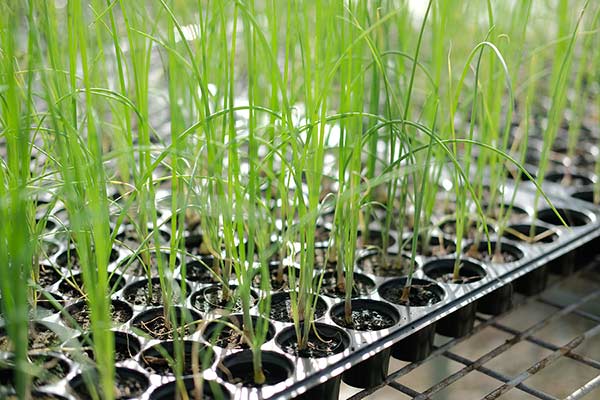
How to Start Onions, Leeks & Shallots From Seed (Step-by-Step)
Now the fun begins. Alliums are straightforward to grow if you follow a few key principles.
1. Fill Your Seed Trays With a Light, Sterile Mix
Not potting soil. Not garden soil. Alliums prefer a fluffy, fine-textured seed-starting mix that drains well and keeps roots happy.
2. Sow Thickly — They Don’t Mind Crowding
You can sow onions heavily in open trays or cells. Think small lawn of onion sprouts. They’re polite houseguests and don’t mind sharing elbow room.
3. Add Bottom Heat for Germination (Optional but Helpful)
A heat mat set to 70–75°F speeds germination, especially in chilly homes.
Once they sprout, remove the heat so they grow slowly and stay compact.
4. Give Them Bright, Close Grow Lights
Alliums hate dim light the way gardeners hate bindweed.
Keep lights 2–3 inches above the tops at all times.
If seedlings stretch or flop → lights are too far away.
5. Bottom Water Only
Fill the tray beneath them and let the soil wick water upward.
Benefits:
- Reduces fungal issues
- Avoids splashing seedlings
- Keeps moisture off delicate stems
6. Trim Their Tops (Their Weekly Haircut!)
As seedlings grow tall, trim greens back to 3–4 inches.
Why?
- Prevents flopping
- Encourages thicker stems
- Strengthens the plant for transplanting
Bonus: The trimmings taste like mild chives. Add them to eggs and feel like a thrifty garden genius.
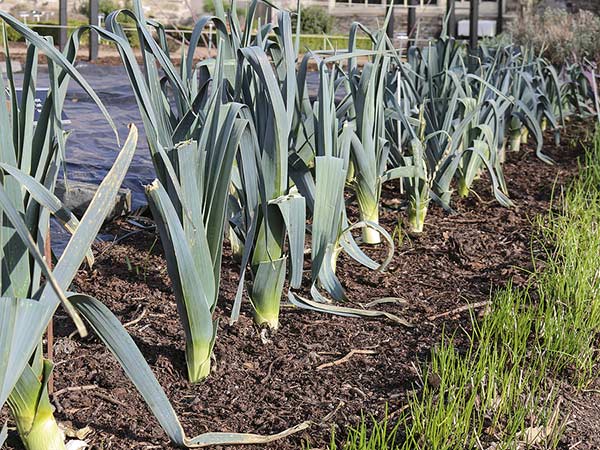
Leeks: The Gentle Giants
Leeks are like onions that went to finishing school. They’re graceful, forgiving, and hard to mess up.
Start Time:
Anytime December–February
Leek-Specific Tips:
- Don’t trim as aggressively — they like a little height.
- When transplanting, plant them deep or in dibbled holes to encourage longer white shanks.
- Hill soil around stems as they grow to increase blanching.
Leeks are patient. They don’t bulb. They don’t rush. They simply grow… elegantly.
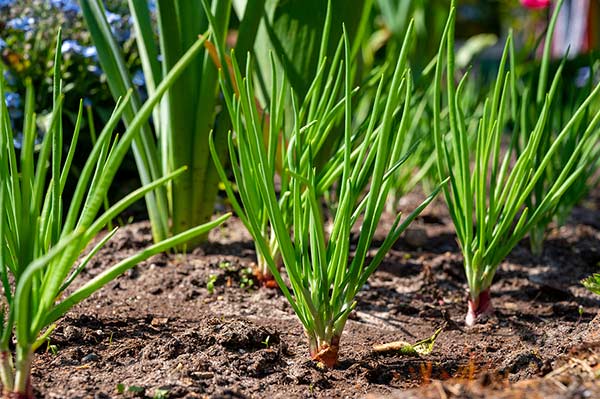
Shallots: The Fancy Cousins
Shallots from seed act much like onions, but they produce clusters of mild, aromatic bulbs that make every cook feel like Julia Child.
Start Time:
November–January for best size.
Shallot Tips:
- Treat seedlings just like onions.
- Earlier starts = larger clusters.
- They store exceptionally well — often longer than onions.
Hardening Off & Transplanting (Late March–Mid April)
Your seedlings have lived indoors like pampered celebrities, so they’ll need a slow introduction to the real world.
Hardening Off (7–10 Days)
- Start with 1–2 hours outdoors
- Increase time daily
- Protect from wind, full sun, and nighttime cold
Transplanting Tips:
- Space onions 4–6 inches apart for large bulbs
- Leeks can go closer (3–4 inches)
- Shallots like 6-inch spacing
- Plant in well-drained, loose, fertile soil
- Add compost — but not too much nitrogen early on
- Mulch lightly to conserve moisture
Onions tolerate frost, so as long as temps stay above 25°F, you’re good.
Feeding & Watering Alliums
Alliums like consistent moisture but never soggy soil.
Fertilizer Tips
- Go easy on nitrogen early — it makes floppy tops
- Add nitrogen after plants are established
- As bulbing begins, switch to a fertilizer with more potassium (like wood ash or a balanced organic blend)
Water Needs
- About 1 inch per week
- More during hot spells
- Even moisture = even bulbs
Uneven watering = onions with personality (aka “wonky”).
Common Allium Problems & How to Avoid Them
Fungal gnats?
Water from the bottom and improve airflow.
Seedlings leaning like tiny drunken sailors?
Lights too high. Lower them.
Bulbs splitting or forming doubles?
Started too early or got inconsistent moisture.
Tiny bulbs at harvest?
Likely started too late or overcrowded.
Plants sending up flower stalks (bolting)?
Cold stress after transplant or the variety isn’t suited for your day length.
Harvesting & Storage
Onions
- Harvest when tops flop naturally and 50–80% fall over.
- Cure in a warm, dry, airy place for 2–3 weeks.
- Trim tops and roots once dry.
- Store in mesh bags in a cool, dry location.
Shallots
- Harvest when tops yellow and tip over.
- Cure the same way as onions.
- Store in a dark, cool place — they’ll last months.
Leeks
- Harvest anytime they’re big enough.
- They tolerate frost and can stay in the ground well into fall and early winter.
In Summary: Experience the joy of growing alliums
Growing onions, leeks, and shallots from seed is one part science, one part patience, and one part minor obsession. But the payoff?
- Giant golden onions you actually grew yourself
- Leeks that turn soup into art
- Shallots that taste like the culinary equivalent of a wink
Start them early, give them good light, trim them often, treat them kindly, and they’ll reward you with a harvest that tastes like victory.