
Picture this.
You’ve been lovingly tending your basil, oregano, thyme, and garlic for months. Then one morning, you walk outside and discover flowers everywhere. The basil is blooming. The chives have purple pom-poms. The oregano is covered in tiny blossoms. Your garlic has sent up curly scapes that look like something from a Dr. Seuss book.
Many gardeners see these signs and think, “Oh no. I’ve missed my chance.”
Not so fast.
Some of the most flavorful, beautiful, and useful harvests in the garden come from the flowers, blossoms, and flowering stalks that most people toss into the compost pile.
Let’s take a tour of some garden favorites and discover how to harvest them, preserve them, and, most importantly, eat them.
Garlic Scapes: The Bonus Crop
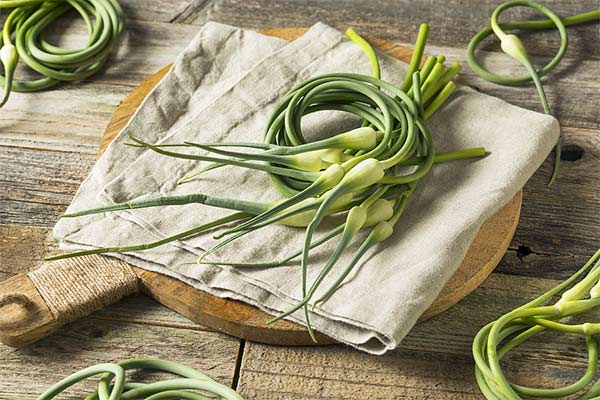
If you grow hardneck garlic, you’ll eventually see a curly green stalk emerge from the center of the plant. This is the garlic scape, the flower stalk that would eventually produce a flower and bulbils.
For the largest garlic bulbs, remove scapes when they form one or two loops. The younger the scape, the more tender it will be.
The entire scape is edible, including the flower bud. Simply trim off any dry or woody portion at the very bottom of the stalk. If the flower bud has become tough or fibrous, remove it and use the tender stem.
Think of garlic scapes as garlic-flavored green beans with a little asparagus mixed in.
Easy Garlic Scape Butter
Mix:
- 1 cup softened butter
- ¼ cup finely chopped garlic scapes
- 1 tablespoon parsley
- Pinch of salt
Spread on fresh bread, baked potatoes, grilled corn, or vegetables.
Roasted Garlic Scapes
Toss whole scapes with olive oil and roast at 400°F for 12 to 15 minutes until lightly browned. They become sweet, tender, and surprisingly addictive.
Storage Tip
Garlic scapes will keep in the refrigerator for two to three weeks. They also freeze beautifully when chopped.
Chive Blossoms: Purple Onion Candy
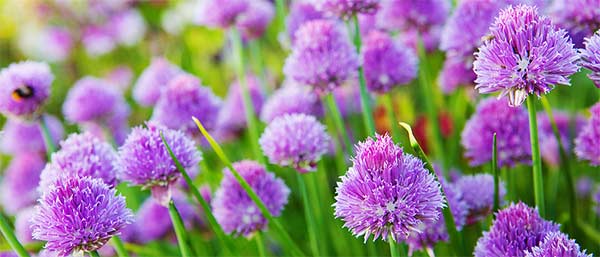
Those cheerful purple blooms appearing on chives each spring aren’t just pretty.
Each flower is made up of dozens of tiny florets with a mild onion flavor.
Harvest when fully open. Cut the flower stalk near the base and pull apart the florets.
Discard any tough stem portions.
Chive Blossom Vinegar
Fill a jar with blossoms and cover with white wine vinegar.
Allow to steep for two weeks.
The vinegar turns a stunning pink color and makes a wonderful salad dressing.
Chive Blossom Butter
Mix chopped blossoms into softened butter with a pinch of salt.
You’ll never look at a baked potato the same way again.
Basil Flowers: Don’t Panic When Basil Blooms
Many gardeners treat basil flowers like an emergency.
In reality, Thai basil flowers and sweet basil flowers are delicious. The flowers taste very similar to the leaves but are often slightly sweeter.
Harvest flower spikes while the blossoms are fresh and before seeds begin developing. Once seed pods form and turn brown, remove those portions.
Thai Basil Flower Tea
Steep one tablespoon of fresh flowers in a cup of hot water for five to ten minutes.
Sweeten with honey if desired.
Thai Basil Flower Pesto
Blend:
- 2 cups basil leaves and flowers
- ¼ cup nuts
- 2 cloves of garlic
- ½ cup Parmesan cheese
- Olive oil
Freeze in ice cube trays for year-round use.
Storage Tip
Dry basil flowers on screens or bundle them upside down. Store in airtight jars for teas and seasoning blends.
Oregano, Thyme, Rosemary, and Sage Flowers
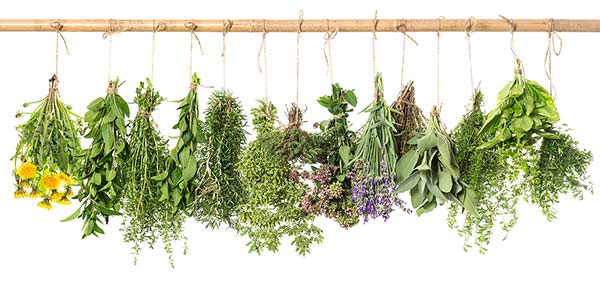
Most herb flowers taste like a gentler version of the herb itself.
If you’ve never tried them, you’re missing one of the easiest gourmet upgrades available in your garden.
Harvest flowers when most blossoms have opened but before seeds form.
Simply snip entire flowering stems.
Remove woody stems before cooking.
Herb Blossom Focaccia
Press fresh herb flowers into the focaccia dough.
Drizzle with olive oil and sprinkle with coarse salt before baking.
The result looks like something from a fancy bakery.
Herb Flower Finishing Sprinkle
Mix dried flowers from:
- Oregano
- Thyme
- Rosemary
- Sage
Sprinkle over roasted vegetables, soups, eggs, or homemade bread.
Nasturtiums: The Garden’s Pepper Mill
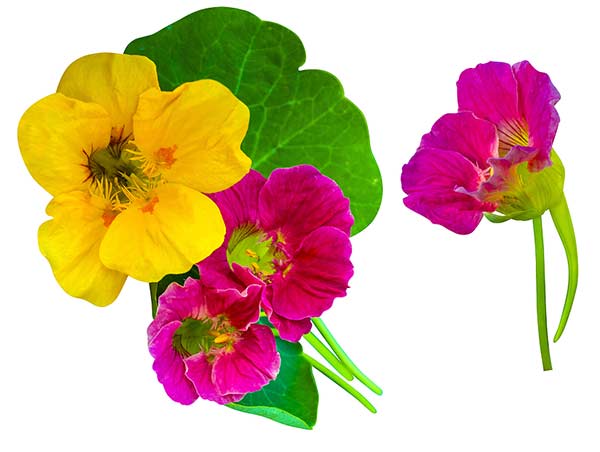
Nasturtiums bring bright reds, oranges, and yellows to the garden, but they also bring flavor.
The flowers and leaves have a peppery taste similar to watercress.
Harvest fully open flowers.
Remove the small green stem at the back if desired.
Nasturtium Salad
Toss flowers and young leaves with lettuce, cucumbers, and a light vinaigrette.
The flowers provide color and a peppery kick.
Stuffed Nasturtium Blossoms
Fill flowers with herbed cream cheese and serve as appetizers.
Guests will think you’ve been watching cooking shows.
Calendula: The Original Garden Gold
Calendula is sometimes called “Pot Marigold,” though it isn’t the same as the common marigolds many gardeners grow.
Harvest fresh petals from newly opened flowers.
The petals are the edible portion.
Remove the bitter flower base before using.
Calendula Rice
Stir ¼ cup petals into cooked rice with a tablespoon of butter.
Calendula has been called “poor man’s saffron” because of the beautiful golden color it adds.
Calendula Tea
Dry petals and steep in hot water.
Many herbal gardeners enjoy its mild flavor and bright color.
Borage: Tiny Blue Cucumber Bites
Borage flowers are among the prettiest edible flowers in the garden.
Their flavor surprises nearly everyone because it tastes remarkably like cucumber.
Harvest flowers fully open.
Use immediately for the best quality.
Borage Ice Cubes
Freeze flowers in ice cubes.
Drop them into lemonade, iced tea, or sparkling water.
Instant garden elegance.
Summer Cucumber Water
Combine cucumber slices, borage flowers, and cold water.
Chill before serving.
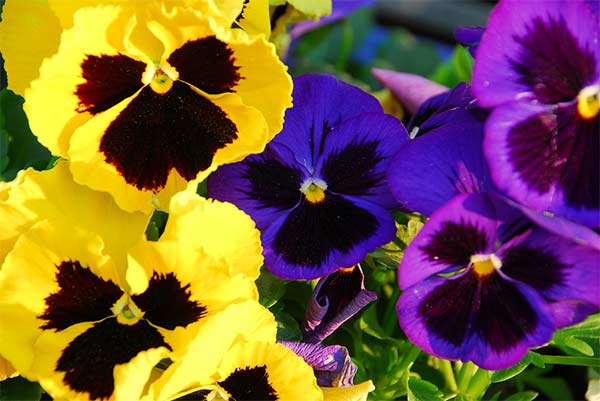
Pansies and Violas: Too Pretty to Eat… Almost
Pansies and violas may look like they belong in a flower arrangement, but they’re completely edible.
Harvest freshly opened flowers.
Remove stems before using.
Garden Party Salad
Scatter flowers over green salads for an instant splash of color.
Candied Pansies
Brush flowers lightly with egg white.
Dust with sugar and allow to dry.
Use to decorate cakes and cookies.
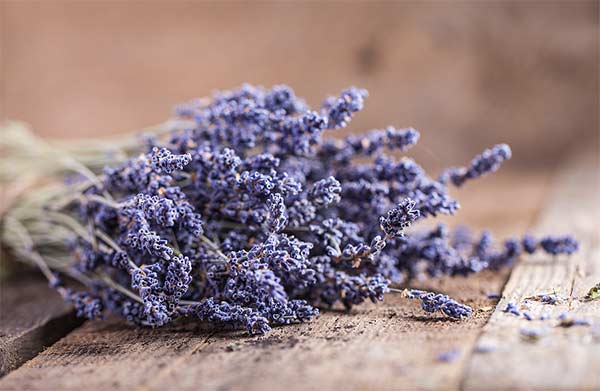
Lavender: A Little Goes a Long Way
Lavender is wonderful in the kitchen when used sparingly.
Think “hint of floral” rather than “grandma’s soap drawer.”
Harvest flower spikes just as blossoms begin opening.
Dry by hanging upside down in small bundles.
Lavender Honey
Fill a jar with honey and add dried lavender blossoms.
Allow to infuse for several weeks.
Wonderful in tea, biscuits, or lemonade.
Lavender Shortbread
Add one tablespoon of finely chopped culinary lavender to your favorite shortbread recipe.
A little is all you need.
Squash Blossoms: Summer’s Gourmet Treat
Squash blossoms are one of the garden’s most celebrated edible flowers.
Harvest male blossoms in the morning after they’ve opened. Leave some female flowers behind to produce squash.
Remove the stem and the pollen-covered center before cooking.
Stuffed Squash Blossoms
Fill blossoms with ricotta cheese, herbs, and Parmesan.
Bake at 375°F for 12 to 15 minutes.
Simple, elegant, and delicious.
Saving Flowers Until You Have Enough
One concern gardeners often have is that flowers arrive a few at a time.
Fortunately, most can be saved until enough accumulate for a recipe.
Refrigerate
Store flowers in a sealed container lined with a slightly damp paper towel.
Freeze
Freeze blossoms on a cookie sheet before transferring to freezer bags.
Freeze in Oil
Chop herb flowers and freeze in olive oil using ice cube trays.
Dry
Hang herb flowers upside down in bundles and store once fully dry.
Your Garden Is Bigger Than You Think
One of the best parts of gardening is discovering that the harvest doesn’t stop with tomatoes, peppers, and squash. The flowers, blossoms, scapes, and herb blooms are part of the harvest too.
So the next time your basil bolts, your chives bloom, or your garlic sends up curly scapes, don’t sigh and reach for the compost bucket. Reach for the kitchen instead. Your garden has been hiding a second harvest right in front of you all along.