
If someone handed you a free soil amendment that improved drainage, increased water retention, fed beneficial microbes, reduced fertilizer needs, and helped your plants thrive, you’d probably take it.
The good news is that you’re already producing it.
Every time you pull spent pea vines, trim herbs, clean up flower beds, rake pine needles, or peel vegetables for dinner, you’re gathering the raw ingredients for compost. Most gardeners think of these materials as leftovers. Nature sees them as the building blocks for future harvests.
Here in Arizona’s high country, compost is one of the most valuable tools we can add to our gardens. Our soils can be rocky, sandy, clay-heavy, or somewhere in between, and many of us garden beneath towering ponderosa pines rather than deciduous trees that provide mountains of autumn leaves. Fortunately, successful composting doesn’t require perfect ingredients. In fact, many of the materials we already have in abundance can be transformed into rich, dark compost that improves soil year after year.
The secret is learning to see garden scraps not as waste, but as tomorrow’s tomatoes, flowers, and fruit trees waiting to happen.
The Harvest Nobody Brags About
Here in Arizona’s high country, compost is especially valuable. Our soils can range from rocky and sandy to heavy clay, and many of us garden among ponderosa pines where traditional compost ingredients like autumn leaves are often in short supply. Fortunately, nature has provided plenty of other materials that can be transformed into rich, soil-building compost.
The secret is learning to recognize treasure when it looks like yard debris.
If you’ve ever looked at a pile of pea vines after harvest and thought, “Well, those are done,” think again. Those vines still have work to do. The same is true for spent lettuce plants, pulled weeds that haven’t gone to seed, herb trimmings, faded flowers, vegetable stalks, and many of the scraps that come out of your kitchen. What appears to be the end of the gardening season for those materials is really just the beginning of their next job.
Turning Garden Leftovers into Garden Gold
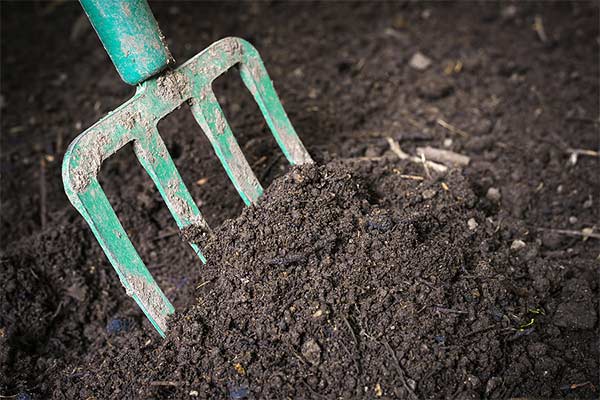
Composting is simply nature’s recycling system. Instead of sending organic matter to a landfill, we allow soil organisms, fungi, insects, and beneficial microbes to break it down into a dark, crumbly material that improves the soil and feeds future plants. It is one of the rare gardening activities that saves money, reduces waste, improves harvests, and helps the environment all at the same time.
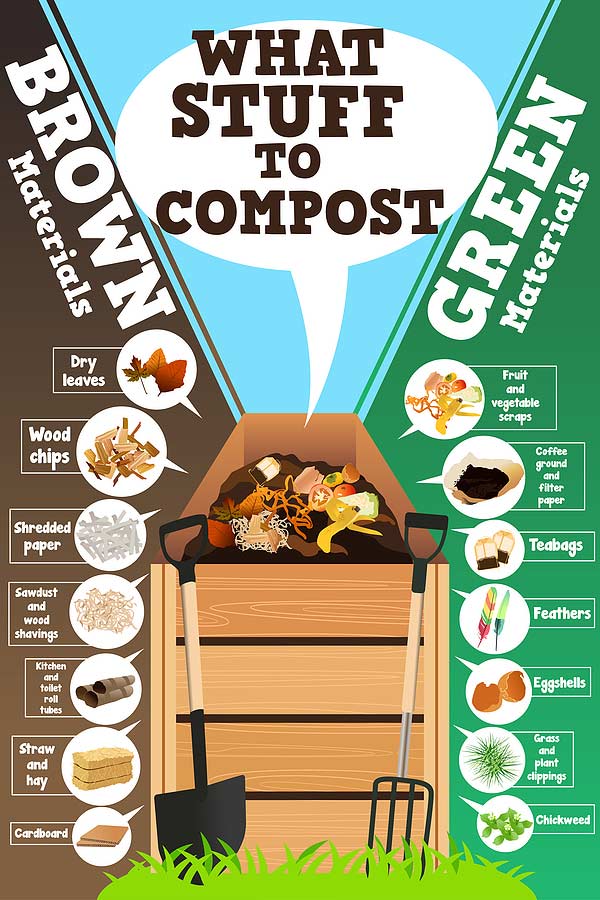
Many gardeners are surprised by how much compost material they already produce. Grass clippings, garden trimmings, coffee grounds, eggshells, fruit peels, vegetable scraps, faded annual flowers, and spent vegetable plants can all contribute valuable nutrients and organic matter. Every time you harvest, prune, thin, or clean up a bed, you are gathering ingredients for future compost.
What About All Those Pine Needles?
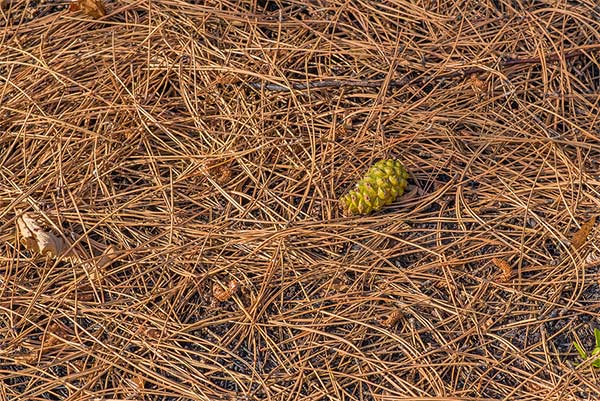
One of the most common questions we hear in our area is whether pine needles can be composted. The answer is an enthusiastic yes.
For years, gardeners have worried that pine needles would make compost too acidic. While fresh pine needles are somewhat acidic, that acidity largely disappears as they decompose. By the time they become finished compost, they have very little impact on soil pH. Since pine needles are plentiful throughout our region, they can become an important ingredient in local compost piles. Because they break down more slowly than softer materials, they decompose faster if shredded or chopped before being added.
Pine cones can also be composted, although they require considerably more patience. Think of them as the marathon runners of the compost pile. They eventually break down, but they are definitely not in a hurry. Crushing them into smaller pieces can speed up the process.
For gardeners who feel disadvantaged because they don’t have mountains of autumn leaves, pine needles can become the high-country equivalent. They provide an excellent source of carbon and are available in abundance throughout much of our area.
Browns, Greens, and the World’s Easiest Recipe
The key to successful composting is balance. Compost piles thrive when they contain a mixture of carbon-rich materials, often called “browns,” and nitrogen-rich materials, known as “greens.” Browns include pine needles, straw, dried plant stems, shredded paper, cardboard, and other dry materials. Greens include fresh garden trimmings, grass clippings, coffee grounds, vegetable scraps, and recently pulled weeds.
A good compost pile contains more browns than greens, roughly two to three parts brown material for every one part green material. Fortunately, compost is forgiving. You don’t need to measure with laboratory precision. Think of it more like making soup than baking a cake. A little adjust here and there usually works just fine.
As the pile decomposes, beneficial microorganisms get to work breaking down plant tissues and converting them into stable organic matter. During summer, decomposition can happen surprisingly quickly. During winter, especially here in the mountains, the process often slows dramatically until warmer temperatures return.
Don’t worry about exact measurements. Aim for roughly twice as much brown material as green material. If the pile smells bad or becomes slimy, add more browns. If it isn’t breaking down, add more greens and water.
Some Things Even Compost Doesn’t Want
While many materials belong in the compost pile, a few should stay out.
Diseased plants can sometimes survive the composting process and spread problems back into the garden. Weeds that have already gone to seed can create future infestations, and aggressive weeds such as bindweed or bermudagrass may survive decomposition and reappear later. Meat scraps, dairy products, grease, and pet waste can attract pests or introduce unwanted pathogens, so they are best avoided as well.
When in doubt, ask yourself a simple question: “Would I want thousands more of this showing up in my garden next year?” If the answer is no, don’t compost it.
Why Compost Is Better Than Fertilizer Alone
One of the greatest benefits of compost is what it does for our soil. Gardeners often focus on fertilizers, but compost addresses a deeper need. It improves soil structure itself.
In clay soils, compost helps loosen compaction and improve drainage. In sandy or rocky soils, it increases the soil’s ability to hold water and nutrients. It feeds beneficial microbes, encourages earthworms, reduces erosion, and helps plants better withstand periods of drought and temperature extremes.
In many ways, compost acts like a savings account for the garden. Every batch deposited into the soil improves its long-term health and productivity. The results may not always be immediate, but over time the difference becomes remarkable.
From Scraps to Super Soil
Finished compost is ready when it looks dark, crumbly, and earthy. Most of the original ingredients should no longer be recognizable. At that point, it can be mixed into vegetable beds, spread around flowers, added beneath fruit trees, incorporated into raised beds, or blended into potting mixes.
Many gardeners top-dress their beds with an inch or two of compost each year and let nature gradually work it into the soil. It is one of the simplest ways to steadily improve garden performance without relying entirely on purchased fertilizers.
Nature’s Original Recycling Program
Perhaps the most magical thing about composting is the reminder that nature wastes nothing. Yesterday’s pea vines become next year’s tomatoes. Spent flowers help feed future blooms. Kitchen scraps become vegetables. What looked like garbage turns out to be one of the most valuable resources in the garden.
So the next time you’re cleaning up a bed and preparing to throw away a pile of plant material, stop for a moment and take another look.
You may be holding one of the most important harvests your garden will ever produce.