
When people talk about “community resilience,” it often sounds big and abstract—emergency plans, federal grants, and phrases like infrastructure redundancy (which is as exciting as it sounds).
But in reality?
Resilience often begins with something much smaller, much friendlier, and significantly more delicious:
A tomato.
A handful of basil.
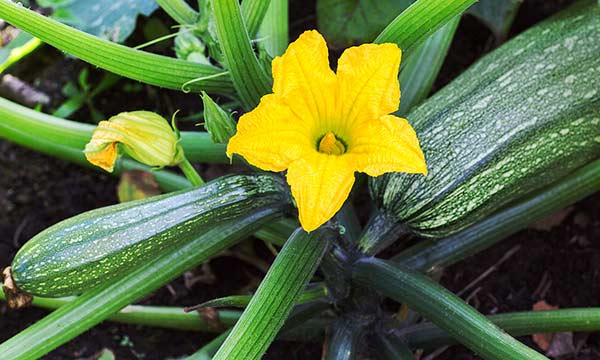
A neighbor who suddenly becomes your new best friend because you both planted too much zucchini.
Your community garden membership isn’t just a hobby. It’s a hyperlocal, hands-in-the-soil strategy for building a stronger, more connected, more food-secure community. It’s also one of the easiest ways to support a resilient food system—one where food is fresher, relationships are deeper, and nobody panics when the grocery store runs out of celery again.
Let’s dig in (pun absolutely intended).
Why Community Gardens Build Real-World Resilience
Resilience is simply the ability to handle stress and bounce back—whether that’s supply chain disruptions, weird weather, economic swings, or “that one neighbor” who buys every last head of lettuce at Heber Market.
Community gardens strengthen resilience in three powerful, practical ways:
1. They put food close to home.
Fresh produce grown right in your own town doesn’t rely on:
- Long supply chains
- Truck deliveries
- Out-of-state growers
- Jet-lagged lettuce arriving from 1,500 miles away
When food miles shrink, freshness increases, nutrients stay higher, and the cost often drops—especially when you share, swap, or preserve.
Also, the bragging rights of “This tomato traveled approximately four feet from garden to table” are unbeatable.
2. They create local skills and knowledge.
Every gardener becomes a mini-expert in something:
- Trellising peas
- Fixing drip irrigation
- Compost wizardry
- “How to grow kale even the elk won’t touch” (a true superpower)
Shared skills = shared resilience. When knowledge lives in the community, it’s not dependent on supply chains, grocery stores, or internet tutorials at 2 a.m. when your squash looks weird.
3. They build relationships—and that’s the heart of resilience.
Study after study shows that social connection is one of the strongest predictors of how communities respond to stress.
In a crisis, your first responders aren’t institutions—they’re neighbors. And nothing builds neighborliness quite like swapping tomatoes, troubleshooting aphids, or confessing you drowned your cucumbers again.
Expanding Resilience Beyond the Garden Fence
Your community garden is the hub, but resilience grows even further when you connect with:
Farmers’ Markets
Farmers’ markets aren’t just shopping—they’re relationships with a price tag. Talk to farmers:
- Ask what grows best at high elevation
- Discover new varieties
- Request bulk “seconds” for canning or freezing
Every conversation builds connection, and every local purchase keeps money—and food—within your community.
Farm Stands & CSAs
These create even deeper ties:
- You know the farm
- The people
- The land
- The growing practices
You may even get invited to open-farm days, volunteer harvest days, or the “we have too many melons, please help” crisis of late August.
Neighbors
Sometimes the best resilience strategy is simply knowing:
- Who has fruit trees
- Who has backyard chickens
- Who is drowning in rosemary
- Who needs help during storms
A porch swap, a shared box of pears, or an annual neighborhood chili night builds more resilience than most official programs ever will
The Story of Your Food: Why It Matters (and Yes, It Really Does)
You asked for clarification, yes, I heard you thinking that—and here it is in its cleanest, most meaningful form.
Your food’s story is the real, tangible information about:
- Where it was grown
- How it was grown
- What variety it is
- Why the grower chose it or loves it
Maybe your neighbor grows Music garlic because her grandmother did. Maybe a local farmer raises Arkansas Black apples because they store for months. Maybe your own tomatoes thrive because you pamper them with worm tea (which you swear works better than coffee in the morning).
When you know these details, you naturally slow down, appreciate your food, and connect with it.
And here’s the fascinating part:
✔ Knowing your food’s story encourages mindful eating
✔ Mindful eating improves digestion, reduces stress, and enhances nutrient absorption
✔ Stress-free meals = better digestion (scientifically, not just poetically)
Joel Salatin often references this idea in his talks—how the meaning we attach to food improves our relationship with it.
But mainstream research backs it up:
- Harvard Health shows that eating with attention improves digestion and the gut-brain connection.
- Brigham and Women’s Hospital reports digestion may be 30–40% less effective during distracted, stressed eating.
- Studies on mindful eating show increased enjoyment, improved digestion, and better nutrient absorption.
Food with a story becomes food your body—and your community—absorbs better.
And hey, if knowing your carrot’s biography helps your gut microbiome behave itself, that’s a win for everyone.

Final Thoughts
Joining the community garden isn’t just joining a garden. It’s joining a movement—one that grows relationships, food security, skills, health, and joy.
A more resilient future isn’t something we wait for.
It’s something we plant, water, harvest, and share—together.
And yes, it sometimes starts with zucchini. Because it always starts with zucchini.
How to Join the Heber-Overgaard Community Garden
Ready to put down roots—literally and figuratively? Whether you want your own garden bed, prefer community-grown harvests, or simply want to support the mission, we have a membership level for everyone. All three options help us strengthen local food resilience, grow community, and expand gardening education in our mountain town.

1. Community Gardener – $50/year
Grow together, harvest together!
As a Community Gardener, you’ll help plant, weed, water, and amend our shared community beds—and then enjoy a share of every harvest all season long. This role is perfect for those who love teamwork, want to learn hands-on gardening skills, or just enjoy the camaraderie of gardening with friends.
Includes:
- All classes and social events
- Access to shared community garden harvests
- Members-only website access
- A warm, possibly dirt-smudged welcome into our volunteer family
Requirement:
At least 4 volunteer hours per month (easy when you’re having fun and talking tomatoes).
To join: Complete the 2026 Community Gardener Membership & Waiver.
2. Garden Bed Steward – $120/year
Your very own garden bed—plus a whole community behind you.
If you love the thrill of planting your own vegetables, testing varieties, or seeing whether this is the year your carrots grow straight, then the Garden Bed Steward membership is for you.
You’ll get a dedicated garden bed with soil, water access, and timers already in place—just bring seeds, plants, and enthusiasm.
Includes:
- Your own rental bed (fully ready for planting and tending)
- All community classes and social events
- Opportunities to learn from fellow gardeners
- Pride, joy, and possibly an emotional attachment to a tomato plant
To claim your bed: Complete the 2026 Garden Bed Steward Application & Waiver.
3. Friend of the Garden – $20/year
Support the mission and grow your gardening wisdom.
Perfect for those who aren’t ready to garden but still want to support the community, learn more, and enjoy the fun. Even without a bed or volunteer hours, Friends help keep the garden thriving and expanding.
Includes:
- Complimentary access to all classes
- Invitations to all social events
- Garden updates throughout the year
- The satisfaction of helping cultivate something meaningful in our community
To join: Complete the 2026 Friend of the Garden Application & Waiver.
Join us today at the GrowTogether Community Garden here in Heber-Overgaard in whatever level works for you. We would love to welcome you into our local community garden as one of the family!
————————————————————————————————————-
Works Cited
- Brigham and Women’s Hospital. “Mindful Eating for Better Digestion.” Brigham and Women’s Hospital, https://www.brighamandwomens.org/patients-and-families/health-information/healthy-eating/mindful-eating.
- Harvard Health Publishing. “The Gut-Brain Connection.” Harvard Health, https://www.health.harvard.edu/staying-healthy/the-gut-brain-connection.
- Salatin, Joel. Various Lectures and Presentations on Regenerative Farming and Food Culture. Polyface Farm, https://www.polyfacefarms.com/.
- University of Minnesota. “Mindful Eating.” Earl E. Bakken Center for Spirituality & Healing, https://www.takingcharge.csh.umn.edu/mindful-eating