
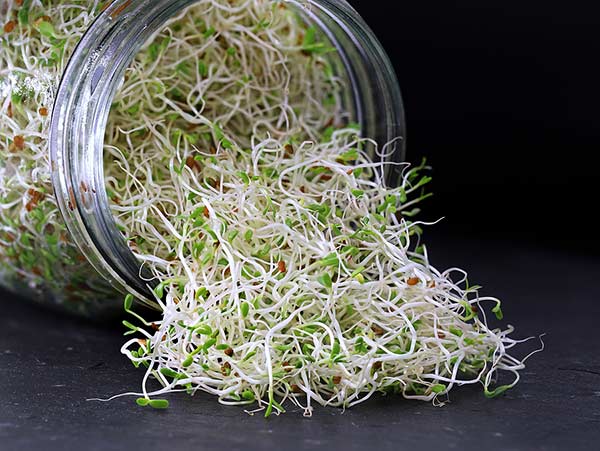
Because winter shouldn’t mean dull salads and sad sandwiches.
Let’s face it: by December, most Zone 6b gardens look like they’ve entered witness protection—everything has disappeared under frost, mulch, or snow. But guess what? You can still grow something fresh, crunchy, ridiculously nutritious, and ready in 3–5 days… right on your kitchen counter.
Enter sprouts: the easiest winter gardening win you’ll ever have.
- You don’t need soil.
- You don’t need sunlight.
- You don’t even need gardening experience.
- You just need water, seeds, and the willingness to give your food a daily rinse like you’re bathing a tiny chia pet.
Let’s get sprouting!
Why Sprouts? (Besides the Fact That They Make You Feel Like a Winter Gardening Wizard)
Sprouts are:
- Loaded with vitamins A, B, C, K, E, and folate
- High in fiber, antioxidants, and plant protein
- Cheap
- Fast
- Delicious
- Nearly impossible to mess up
The sprouting process makes nutrients more bioavailable, meaning your body can absorb them more easily. They are a low-calorie, low-fat food with protein and fiber, making them a healthy addition to meals.
In winter, when fresh produce is scarcer and sometimes pricier, sprouts are a perfect way to add brightness and crunch to your meals.
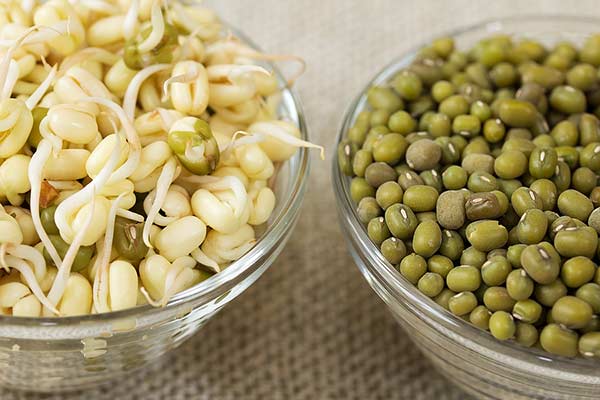
Best Seeds for Beginners
These sprout easily, reliably, and taste great:
- Alfalfa – mild, crunchy, perfect for sandwiches
- Radish – spicy kick, great in salads or tacos
- Broccoli – high in sulforaphane (super-nutritious!)
- Mung Bean – classic for stir fry & soups
- Clover – mild and versatile
All of these sprout beautifully indoors—no soil required.
Sprouting Methods: Choose Your Own Adventure
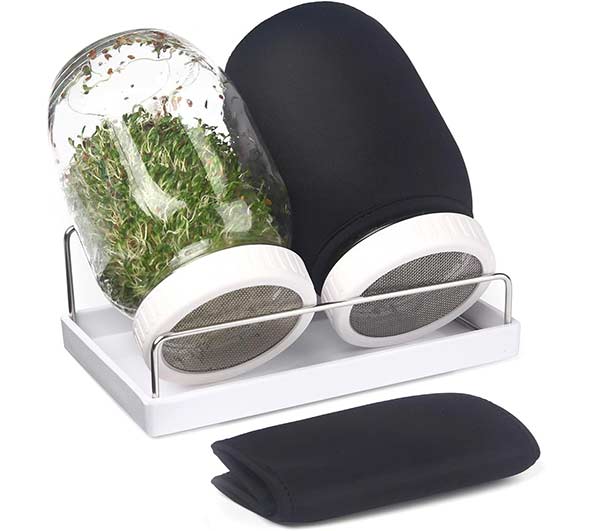
Method 1: The Classic Mason Jar
- Add 1–2 tablespoons of seeds to a jar
- Cover with water, soak 6–8 hours
- Drain, set jar tilted upside-down at angle
- Rinse + drain 2–3× daily
- Harvest in 3–5 days

Method 2: Stackable Sprouter
- Spread seeds in tray(s)
- Rinse from top tray; drain bottom tray
- Grow multiple varieties easily
Method 3: Tray Method
- Spread seeds on shallow tray
- Rinse twice a day
- Harvest in ~7–14 days
How to Avoid Mold (The Sprouter’s Mortal Enemy)
Sprouts grow fast—and so can mold if you’re not careful:
- Rinse twice daily
- Drain thoroughly
- Use good airflow
- Clean equipment between batches
- If fuzzy or smelly → compost it and start again
Sprout Safety (Important for Community Gardeners)
- Use finished, clean sprouting seeds
- Wash hands and jars
- Refrigerate after harvest
- Eat within 3–5 days
- Serve cooked if feeding people with weakened immunity
Harvesting & Storage
- Harvest when ~½–2 inches or tiny leaves show
- Give final rinse, drain, chill
- Store in fridge, breathable container w/ paper towel
- Best fresh, for salads, sandwiches, soups, smoothies
Easy Recipes
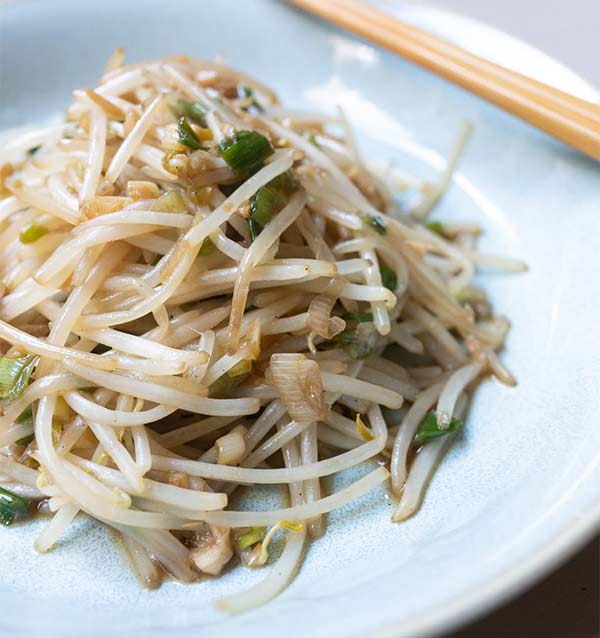
Mung Bean Sprout Stir-Fry
Ingredients: 2 cups mung bean sprouts, 1 bell pepper, snow peas, 1 tbsp soy sauce, 1 tsp sesame oil
Steps: Heat oil → cook pepper + snow peas (3 min) → add sprouts (1–2 min) → sauce → serve. Crunchy, bright & ready fast.
Other ideas:
- Radish + alfalfa sprout salad
- Broccoli-sprout smoothie with berries + banana
- Sandwich with sprouts, hummus + roasted veggies
Where to Buy Sprouting Seeds & Equipment
Seeds:
- Look for seeds labeled “sprouting seeds” or “for raw sprouts” (these meet safety standards)
- Trusted online vendors:
- TrueLeafMarket.com
- SproutPeople.com
- Amazon (look for “Certified Sprout-Grower” label)
- Local garden stores may carry sprout seed blends in winter
- Buy seeds in 1–5 lb bags if you want to share with the community garden
Equipment:
- Mason jars + mesh lids (inexpensive, ideal for beginners)
- Stackable sprouter trays — great for multiple types
- Rinse/Drain sprouter kits (drip-through models)

Final Thought
Winter may slow down your outdoor garden—but your indoor windowsill can be a green oasis of sprouts that deliver crunch, nutrients, and smiles.
All you need is a jar, water, and a little rinse routine. Your salad bowl (and inner garden geek) will thank you.