
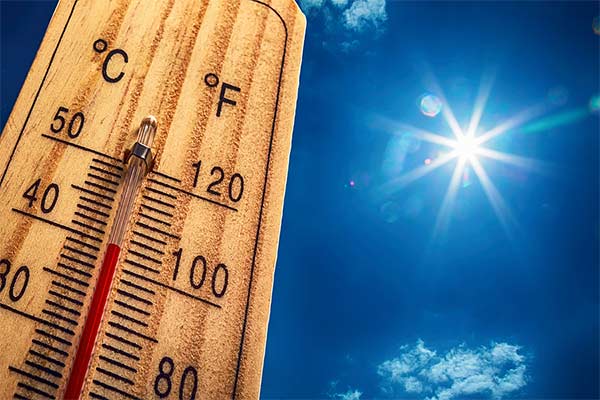
When Summer Turns Up the Heat, Here’s How to Help Your Garden Keep Its Cool
Every gardener has experienced that moment. You walk out to admire your tomatoes, maybe with a basket in hand and visions of fresh salsa dancing through your head, only to discover that your lettuce looks like it just received some shocking news and your squash leaves appear to be auditioning for a role as crumpled tissue paper.
Summer heat waves have a way of sneaking up on us. One day temperatures are pleasant enough for a leisurely stroll through the garden. The next day, it feels as if someone opened the oven door and forgot to close it.
The good news is that most plants are surprisingly resilient. Given a little help, they can survive even some impressive heat. The trick is understanding what happens inside a plant during extreme temperatures and knowing how to respond before stress turns into damage.
When Plants Start Sweating
Plants do not sweat exactly, but they do something remarkably similar. Through tiny openings on their leaves called stomata, they release water vapor into the air. This process, known as transpiration, helps cool the plant much like perspiration cools us.
The problem comes when temperatures climb into the 90s and beyond, especially when accompanied by dry winds and intense sunlight. Plants can lose water faster than their roots can replace it. To conserve moisture, they close their stomata. Unfortunately, this also slows photosynthesis, reducing growth and productivity.
Think of it as a gardener trying to save money by turning off the air conditioner during a heat wave. You conserve resources, but nobody is particularly comfortable.
Spotting Heat Stress Before It Becomes Trouble
Not every wilted plant is in danger. In fact, many vegetables temporarily droop during the hottest part of the day and recover by evening.
The real warning signs appear when plants fail to bounce back after sunset.
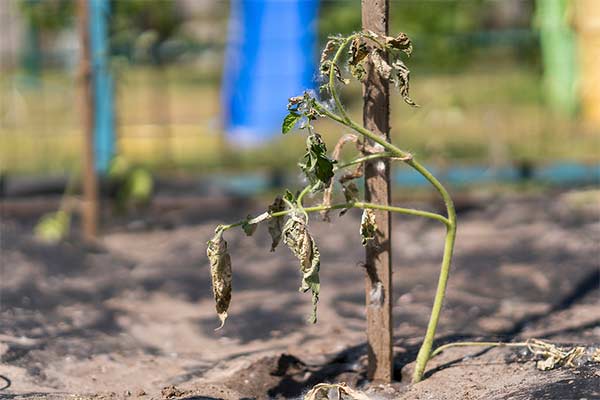
Watch for leaves that remain wilted overnight, yellowing foliage, flower drop, sunscalded fruit, curled leaf edges, or growth that seems to stall completely. Tomatoes, peppers, cucumbers, beans, and squash may also begin dropping blossoms when temperatures remain excessively high.
One of the most common surprises for gardeners is seeing tomatoes loaded with flowers but producing few fruits during a heat wave. Tomatoes generally prefer daytime temperatures below about 90°F for successful pollination. Once temperatures stay above that range, pollen can become less viable. The flowers appear healthy, but fruit production slows dramatically.
It is frustrating, but it is also temporary. Most plants resume normal production once temperatures moderate.
Shade Isn’t Just for People
When temperatures soar, providing afternoon shade can be one of the most effective interventions available.
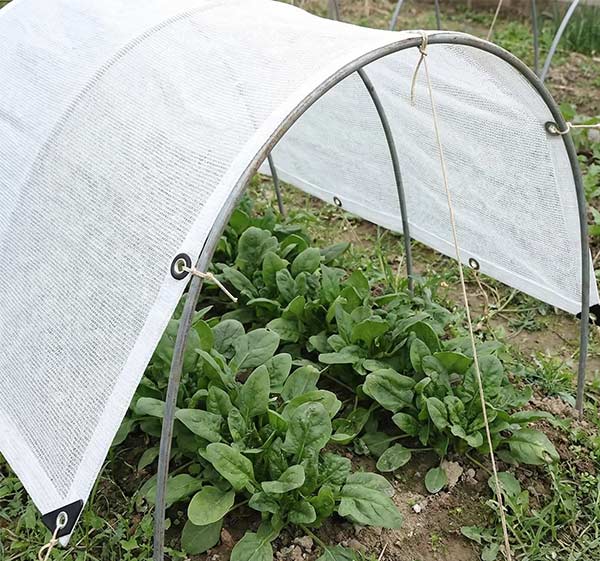
Commercial growers often use shade cloth, and for good reason. A cloth that blocks 30 to 50 percent of sunlight can reduce leaf temperatures significantly while still allowing enough light for photosynthesis.
The science is straightforward. A leaf exposed to direct summer sun can become substantially hotter than the surrounding air. By filtering some of that sunlight, shade cloth lowers leaf temperatures, reduces water loss, and helps prevent sunscald.
If shade cloth is unavailable, gardeners can get creative. Lightweight sheets, old curtains, patio umbrellas, or even strategically placed lawn chairs can provide temporary relief. This is one of the rare occasions when a lawn chair may contribute more to gardening than sitting in it.
The key is keeping the covering elevated above the plants so air can continue circulating freely.
The Surprising Role of Row Covers
Most gardeners associate row covers with frost protection in spring. What surprises many people is that lightweight row covers can also help during extreme summer conditions.
Thin, breathable fabric softens intense sunlight and reduces wind stress while allowing water and air to pass through. In many cases, crops under lightweight covers experience less moisture loss and lower leaf temperatures than those fully exposed.
Just be sure to use lightweight materials designed for summer conditions. Heavy frost blankets can trap too much heat and create the gardening equivalent of wrapping your plants in a winter coat during July.
Not exactly helpful.
Watering Smarter, Not Harder
One of the biggest mistakes gardeners make during a heat wave is watering more often but less deeply.
Frequent shallow watering encourages roots to stay near the soil surface, where temperatures fluctuate the most and moisture evaporates quickly.
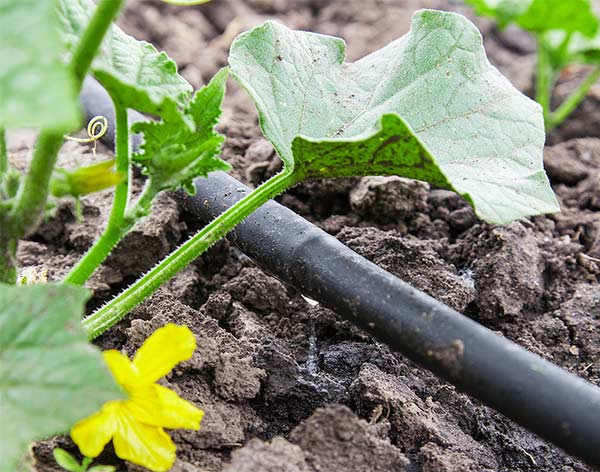
Deep watering encourages roots to grow downward into cooler soil where moisture remains available longer. Most vegetables benefit from a thorough soaking that penetrates at least six to eight inches deep.
Early morning remains the gold standard for watering. Plants begin the day fully hydrated, and less water is lost to evaporation. Evening watering can work too, particularly during prolonged heat events, but wet foliage overnight may increase disease pressure in some climates.
A simple soil test can prevent both overwatering and underwatering. Push a finger several inches into the soil. If moisture is present below the surface, watering may not be necessary yet.
Sometimes the best gardening tool is still a dirty finger.
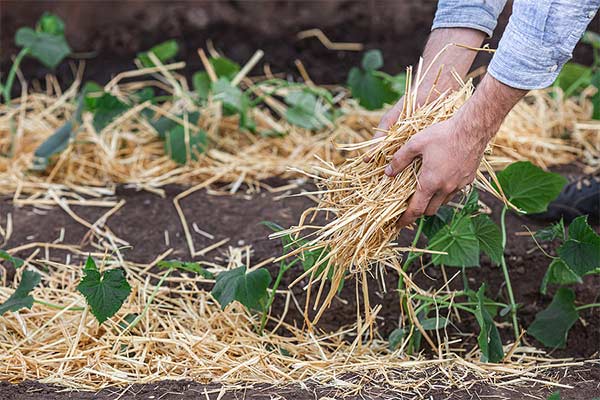
Mulch: Nature’s Air Conditioner
If there were a Garden Hall of Fame, mulch would deserve its own wing.
A two- to four-inch layer of organic mulch helps regulate soil temperatures, reduce evaporation, suppress weeds, and improve soil health over time. Studies have shown that mulched soils can remain dramatically cooler than bare soil during periods of extreme heat.
Straw, shredded leaves, compost, pine needles, and untreated grass clippings all work well.
Without mulch, the sun essentially bakes the soil surface all day. With mulch, the soil remains insulated and moisture stays available longer.
For roots, it is the difference between standing barefoot on hot asphalt and walking comfortably across a shaded lawn.
Don’t Rush for the Fertilizer
Heat-stressed plants are already working overtime. Adding high-nitrogen fertilizer during extreme heat often encourages tender new growth that demands even more water.
Instead, focus on helping plants maintain consistent moisture until temperatures moderate.
Think of a heat wave as a survival challenge, not a growth competition.
Plants can resume vigorous growth once conditions improve. During the hottest weeks, stability matters more than productivity.
Some Crops Handle Heat Better Than Others
Not all vegetables react the same way when summer turns brutal.
Lettuce, spinach, cilantro, peas, and broccoli often wave the white flag first. They may bolt, become bitter, or simply stop producing.
Meanwhile, okra, sweet potatoes, cowpeas, melons, peppers, and many varieties of squash often seem delighted by the extra warmth. Tomatoes fall somewhere in the middle. They love warmth but can struggle when temperatures remain excessively high for extended periods.
Understanding which crops naturally tolerate heat can help gardeners avoid unnecessary worry.
Sometimes a drooping lettuce plant is not asking for rescue. It is simply announcing its retirement.
A Little Perspective from the Garden
Heat waves can make even experienced gardeners nervous. We see wilted leaves, stalled growth, and flowers dropping off seemingly overnight. It is easy to imagine the worst.
Yet gardens have been surviving hot summers long before anyone invented moisture meters, irrigation timers, or smartphone weather apps.
A little shade, consistent watering, good mulch, and careful observation go a long way. Most plants recover surprisingly well once temperatures ease.
So if your garden looks a bit exhausted during the next hot snap, take heart. Give it some water, a little shade, and perhaps a word of encouragement. After all, if Luke Skywalker could survive the twin suns of Tatooine, your tomatoes can probably make it through a few days of summer sizzle.
And when cooler weather finally arrives, both gardeners and plants will breathe a collective sigh of relief.