
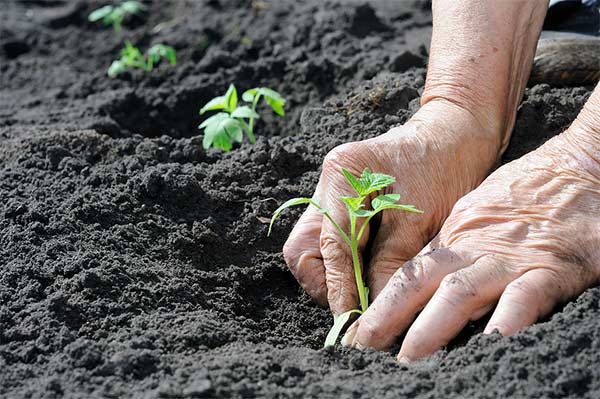
If you’ve been babying seedlings under lights, shuffling trays in and out of the greenhouse, and watching the weather like a hawk—congratulations. You’ve officially reached one of the most exciting moments of the gardening season:
The Big Plant-Out.
This is when your garden starts to look like a garden. It’s when tiny starts turn into sprawling vines, lush foliage, and eventually… dinner. But timing is everything, especially here in Arizona’s high country, where frost likes to linger just long enough to keep us guessing.
Let’s walk through what to plant, when to plant it, and how to avoid the heartbreak of frost-nipped tomatoes
First Things First: Know Your Frost Dates
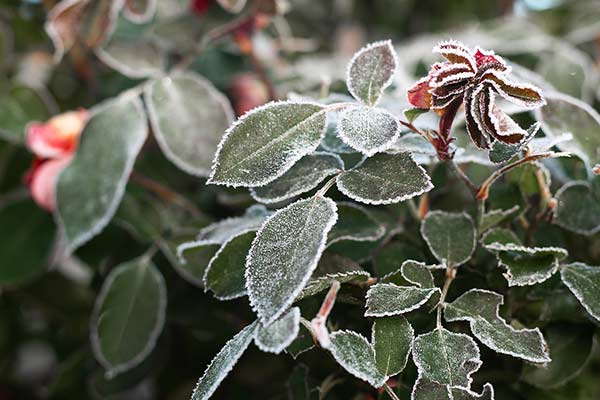
In our area (Zone 6b), the average last frost date is around May 30—but as we all know, “average” doesn’t mean guaranteed.
Here’s your friendly rule of thumb:
- Before May 30: Stick with cold-hardy crops (your cole crops, onions, root veggies)
- After May 30: It’s go-time for warm-weather crops
- Early June: Even safer if you want to play it cautious
Pro tip: Soil temperature matters just as much as air temperature. Warm-season crops really take off when soil temps are consistently above 60°F.
Feeling a little adventurous? If you’re itching to get your tomatoes in the ground early, walls of water can be a true lifesaver—and a season extender.
These are those teepee-shaped plastic tubes you fill with water and place around your young plants. During the day, the water absorbs heat from the sun. At night, it slowly releases that heat, creating a warmer microclimate around your tomato plant. This helps buffer against chilly nights and light frosts.
👉 Think of them as a cozy thermal jacket for your tomatoes.
They can allow you to plant a week or two earlier, giving your plants a valuable head start—especially in a shorter growing season like ours. Just keep in mind: they’re not miracle workers in a hard freeze, but for borderline conditions, they can make all the difference.
The Stars of the Show: Warm-Weather Crops
Once the frost risk has passed, it’s time to bring in the heavy hitters—the crops that love heat and sunshine and will reward you with abundance.
Tomatoes
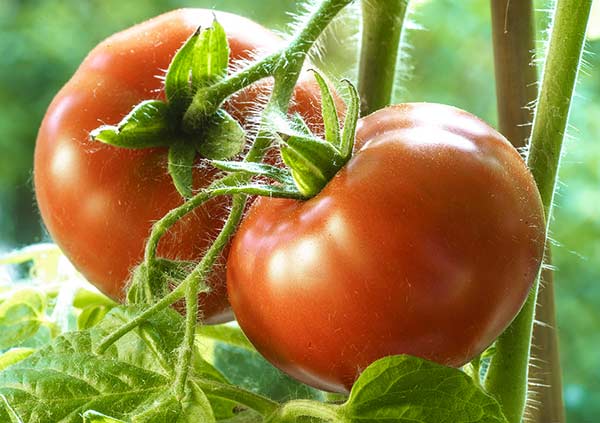
The crown jewel of the summer garden.
- Thrive in warm soil and full sun
- Hate cold nights (anything below 50°F can stunt them)
- Benefit from deep planting and sturdy support
👉 Wait until nighttime temps are consistently above 50°F before transplanting.
Peppers
A little slower to start, but worth the wait.
- Even more heat-loving than tomatoes
- Prefer soil temps closer to 65–70°F
- Don’t rush these—cold soil will just make them sulk
👉 If you’re unsure, give peppers an extra week after tomatoes.
Squash (Zucchini, Pumpkins, etc.)
Fast growers with big personalities.
- Germinate and grow quickly in warm soil
- Sensitive to frost—one cold night can wipe them out
- Perfect for direct sowing or transplanting
👉 Plant after frost, and consider succession planting for continuous harvest.
Beans
The ultimate easy summer crop.
- Love warm soil (60°F+)
- Direct sowing works best
- Germinate quickly and grow fast
👉 If you plant too early, seeds may rot in cold soil—patience pays off!
Don’t Skip This Step: Hardening Off
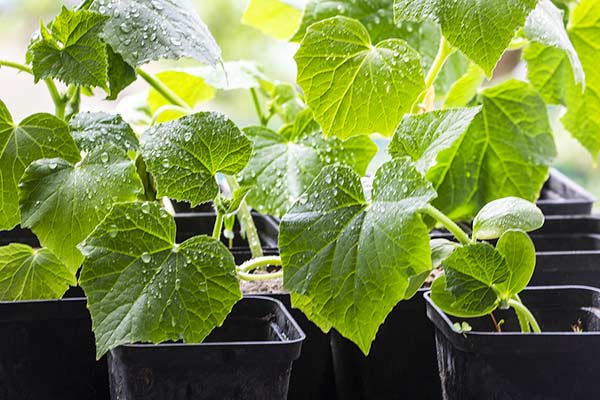
Before you send your seedlings out into the big wide world, they need a transition period.
Hardening off = gradually introducing plants to outdoor conditions
- Start with 1–2 hours of outdoor exposure
- Increase daily over 7–10 days
- Protect from wind, harsh sun, and cold nights
Skipping this step is like sending someone from a cozy living room straight into a windstorm. Not ideal.
Bonus Tip: Succession = Continuous Harvest
Don’t plant everything at once and call it done!
Instead:
- Sow beans every 2–3 weeks
- Stagger squash plantings
- Mix fast growers with slower ones
This keeps your garden producing steadily instead of all at once (because no one needs 27 zucchini in a single week… well, maybe someone does).

Watch the Weather (Yes, Still)
Even after the “official” frost date, keep an eye on the forecast.
- Unexpected cold snap?
- Grab that frost cloth
- Use hoops or lightweight covers
- Even a sheet can save your plants in a pinch
Your future tomatoes will thank you.
The Joy of the Big Plant-Out
There’s something magical about this moment in the season.
It’s hopeful. It’s exciting. It’s a little bit risky (because gardening always is). But it’s also the start of something abundant and beautiful.
So gather your seedlings, check your forecast, and when the time is right…
Plant boldly.