
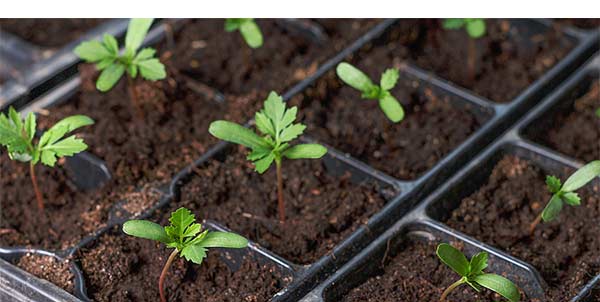
Zone 6b’s guide to giving your garden a head start while winter is still pretending it owns the place. Mid-February in Zone 6b is a weird time. We’re halfway between “my soil is frozen” and “my peas are screaming to be planted.”
But guess what? YOUR GARDENING SEASON STARTS TODAY.
This is prime time for starting spring crops indoors — the ones that love cool weather, grow fast under lights, and absolutely thrive when you give them a head start.
This article is your mid-winter seed-starting mandate: what to sow, what to skip, what’s urgently overdue (don’t panic), and what steps will set your spring garden up for triumph.
Let’s get growing!
1. First Things First: If You Haven’t Started Onions Yet, DO THAT.
You’re not late. You’re simply “fashionably behind,” and onions don’t mind. (To learn details about planting onions, be sure to read The Allium Adventure.
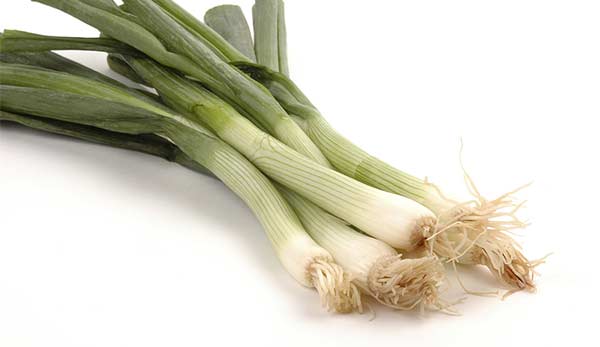
Start indoors TODAY:
- Bulbing onions
- Leeks
- Shallots
- Scallions
Note: When we say bulbing onions, we mean onions grown from seed that will form full-size bulbs (like Patterson, Candy, Red Wing, Ailsa Craig, etc.).
This is not the same thing as:
- Onion sets (little dried baby bulbs you buy in a bag)
- Onion plants (bare-root transplants shipped in bundles)
- Bunching or scallion onions (which never form bulbs)
Seed-grown bulbing onions need an early indoor start to size up beautifully in Zone 6b.
Why mid-February still works:
Onions take ages to develop enough leaves before bulbing begins in late spring.
But they’re forgiving — give them bright light, a weekly haircut (trim to 3–4″), and consistent moisture, and they’ll reward you.
Pro Tip:
Sweet onions (like Ailsa Craig or Candy) are more forgiving than storage varieties (like Patterson) if you’re starting mid-February.
2. Broccoli, Cabbage & Cauliflower: AKA “The Brassica Bunch.”
It’s GO TIME for these guys.
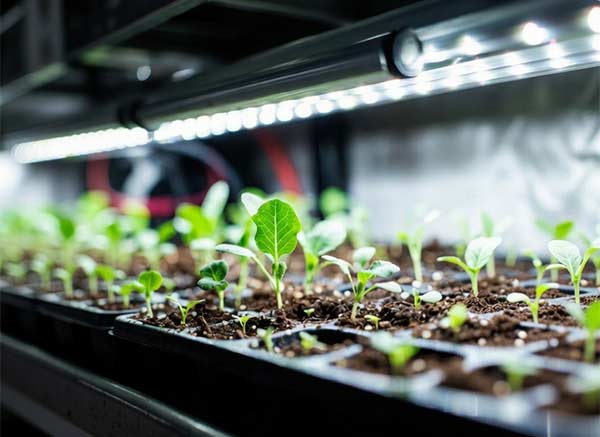
Start indoors this week:
- Cabbage
- Broccoli
- Cauliflower
- Brussels sprouts
- Kale (optional, but grows beautifully indoors)
Why now?
They thrive in cool spring weather and need to be robust seedlings before you transplant them outside in late March or April (with frost protection).
Avoid These Mistakes:
❌ Don’t let brassica seedlings get leggy — keep grow lights 2–3 inches above leaves.
❌ Don’t let them overheat — warmth + stress = bolting.
✔️ Do water from the bottom.
✔️ Do give them a small fan for airflow.
Your brassicas will thank you by producing heads instead of heartbreak.
3. Hardy Herbs to Start Now
Herbs that love chilly weather do great when started mid-February:
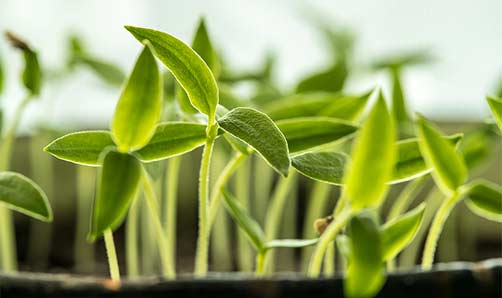
Start indoors:
- Parsley
- Cilantro
- Chives
- Dill (can be started now or direct-sown later)
- Oregano & thyme (slow growers)
Why now?
These herbs are slow, steady growers — the tortoises of the seed-starting world.
Give them a gentle head start, and they’ll be thriving by spring.
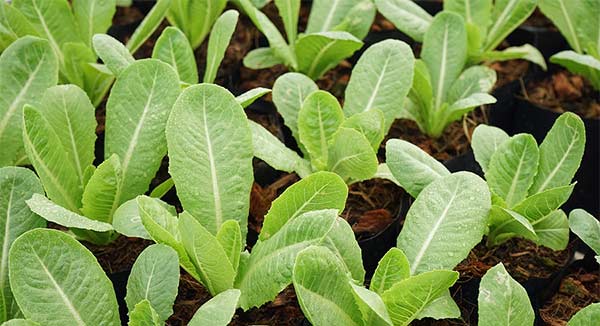
4. Lettuce & Leafy Greens: Optional But Highly Rewarding
If you want early salads (and who doesn’t?), start these indoors now:
- Lettuce
- Swiss chard
- Mustard greens
- Spinach (though spinach also does very well direct-sown outdoors)
Why start indoors?
You get:
- Earlier harvest
- Stronger transplants
- Less seed wasted on cold, uncooperative soil
Plus, you get to brag about eating homegrown salads before your neighbors even find their seed packets.
5. Please, for the Love of Tomatoes, DO NOT Start Warm-Season Crops Yet
You’re excited. You’re eager. You bought 14 tomato varieties and want to show them off.
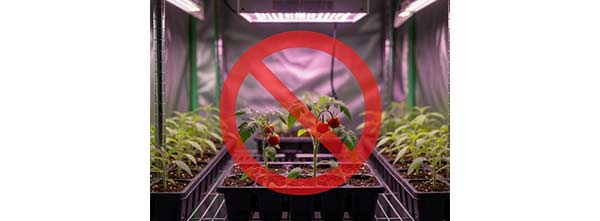
But hear me: Mid-February is TOO EARLY for warm-season crops in Zone 6b.
Do NOT start:
- Tomatoes
- Peppers
- Eggplant
- Squash
- Cucumbers
- Melons
- Corn
- Beans
Starting these now leads to:
- Leggy giants
- Rootbound disasters
- Plants that flop over in protest
- Emotional trauma (yours)
Save yourself:
Warm-season crops get their spotlight in late March and April.
Patience, grasshopper.
6. What You Should Be Doing Outdoors Right Now
Winter may still be clinging on, but you have a few outdoor chores:
✔️ Check snowmelt drainage
Raised beds should drain like confident adults — not sit in puddles.
✔️ Clear debris & check for overwintered pests
Those pesky overwintering bugs are hiding out in that debris.
✔️ Begin composting again
Those kitchen scraps are lonely. You’ll be needing that compost shortly.
✔️ Assess your beds
Move “problem crops” like tomatoes or brassicas to a new location as part of crop rotation.
✔️ Plan row covers and cold frames
Brassicas LOVE frost protection. A simple cover increases success dramatically.

7. Mid-February Seedling Care: What’s Different This Time of Year
Grow lights become even more important as seedlings start stretching toward lengthening days.
Key tips:
- Raise lights frequently as seedlings grow.
- Thin seedlings early — plant-on-plant crime helps no one.
- Pot up brassicas once roots reach the bottom of their cells.
- Circulate air to prevent mold and strengthen stems.
Mid-February motto:
“Don’t let your seedlings become teenagers in toddler clothes.”
Give them space as soon as they need it.
8. The “Start These Today” Checklist (Print, Share, Tattoo, Whatever Works)
🌱 START INDOORS TODAY:
- Onions
- Leeks
- Shallots
- Cabbage
- Broccoli
- Cauliflower
- Brussels sprouts
- Kale
- Parsley
- Cilantro
- Chives
- Thyme
- Lettuce
- Swiss chard
🚫 DO NOT START:
- Tomatoes
- Peppers
- Eggplant
- Squash
- Cucumbers
- Melons
Final Thoughts: You’re Officially in the Game!
When everyone else is still saying,
“Isn’t it too early to start gardening?”
…you’ll be indoors cradling strong little cabbage seedlings and quietly whispering,
“No, YOU’RE too early.”
Mid-February may look like winter, but it is officially GARDENING SEASON for anyone in Zone 6b who wants lush onions, giant broccoli, and picture-perfect spring beds.
You’re not behind.
You’re not early.
You’re exactly on time — and your garden will thank you for it.