
When the first hard frost hits and the tomatoes finally surrender, most gardeners breathe a sigh of relief, hang up their gloves, and retreat to the woodstove with a mug of cocoa. But true high-country gardeners know: winter isn’t an ending—it’s your garden’s reset button.
This is the time to clean up, reflect, and set the stage for next season’s success. A little winter prep now means less chaos (and fewer weeds) come spring. Here’s how to make the most of the quiet months in our Heber-Overgaard Zone 6b gardens.
Step 1: Put Your Garden Beds to Bed
Your soil worked hard all season—now it deserves a rest.
Before the ground freezes solid, give your garden beds a little TLC.
1. Clear spent plants (but leave the roots when you can).
- Pull diseased plants and toss them—don’t compost disease or pest-ridden debris.
- For healthy annuals, snip them at soil level instead of yanking. The roots will decompose and feed the soil microbes over winter. Especially those legumes that fix the nitrogen in the soil. It is those decomposing root nodules that disperse that nitrogen for next year, so leave those roots and cut the plants off at the soil line.
2. Add a blanket of organic matter.
- Spread 2–3 inches of compost, shredded leaves, or aged manure over your beds.
- Earthworms and microbes will slowly work it in through freeze–thaw cycles, enriching your soil naturally.
3. Mulch, mulch, mulch.
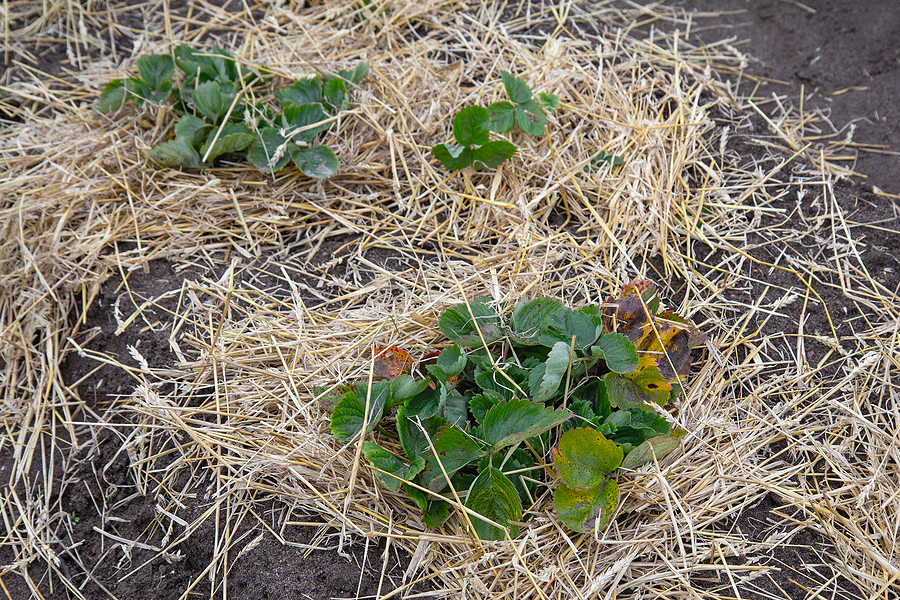
- Apply 4–6 inches of straw, shredded leaves, or aged pine needles to protect the soil from erosion, moderate temperature swings, and suppress early weeds.
- About those pine needles: If you live among the tall pines (like most of us here in the Rim Country), you have free mulch falling from the sky! But it’s important to use it correctly.
- Avoid using green, freshly dropped pine needles—they still contain resins and compounds that can inhibit germination and alter soil chemistry.
- Allow needles to age and dry for at least six months before using them as mulch. Once they’ve turned brown and brittle, the resins have broken down and they’re safe.
- Aged pine needles (often called pine straw) make excellent mulch: they’re lightweight, slow to decompose, allow good airflow, and form a natural mat that resists erosion—perfect for sloped or windy high-country beds.
- And don’t worry about them turning your soil “too acidic.” By the time they’re brown and dry, they’re nearly pH-neutral.
4. Sow cover crops (if the ground’s still workable).
- Cold-hardy options like winter rye or hairy vetch can germinate before the deep freeze and protect bare soil all winter long.
High Country Tip: What to Do with Pine Needle Mulch in Spring
If you’re lucky enough to live under the pines (and most of us here in Heber-Overgaard are), you’ve got a built-in supply of free mulch! Here’s how to manage it through the seasons—and clear up a few long-standing myths.
Spring Maintenance
- Don’t remove it entirely. Aged, brown pine needles make excellent mulch that lasts through our windy, dry seasons. In spring, just rake or push them aside from the planting rows to expose soil for seeding or transplanting.
- After planting, pull the needles back around your crops once seedlings are several inches tall. They’ll suppress weeds, conserve moisture, and prevent soil from splashing onto leaves during early watering or rain.
- Refresh each fall. Every year or two, rake off the top layer and replace it with freshly fallen, aged needles to keep your mulch clean and airy. Older needles can be composted or used around shrubs and trees.
The Science Behind Pine Needles and Soil pH
It’s a popular myth that pine needles acidify soil or leach toxins harmful to vegetables. Fortunately, multiple university studies have shown that this is not true once needles are brown and dry.
- University of New Hampshire Extension: “Although pine needles are acidic when fresh, they do not make soil acidic as they decompose… aged pine needles have little to no effect on soil pH.”
- North Carolina State University Cooperative Extension: “Pine straw mulch does not acidify soil; its pH after decomposition is near neutral, and it’s safe for vegetable and ornamental gardens.”
- University of Arizona Master Gardener Manual: Aged pine needles are “an acceptable organic mulch for vegetable beds and perennials,” especially when locally abundant.
In short: brown pine needles don’t acidify, don’t poison, and don’t inhibit vegetable growth. They’re simply a slow-decomposing, sustainable mulch that protects soil beautifully in our high-country climate.
Quick Recap
- Use only aged, brown needles (at least six months old).
- Pull back for planting, replace once seedlings are established.
- Refresh or compost every year or two.
- Enjoy erosion control, moisture retention, and fewer weeds—all for free!
Step 2: Tend to Your Tools
Don’t toss your trowel into the shed and forget it—give your garden tools a little spa day!
Clean:
- Wash off soil and sap; disinfect with a mild bleach solution (1 part bleach : 9 parts water).
- For pruners or shears, scrub with steel wool and a few drops of oil.
Sharpen:
- A dull tool is more dangerous than a sharp one. Use a metal file or sharpening stone on shovels, hoes, and pruners.
Oil and store:
- Rub wooden handles with linseed oil.
- Coat metal parts lightly with vegetable oil to prevent rust.
- Hang tools or store them upright—never in damp soil or concrete corners.
Bonus tip: Label tools or paint handles bright colors so you can spot them easily next spring (especially when they mysteriously migrate into the compost pile).
Step 3: Protect Perennials and Trees
Mulch around perennials and shrubs once the ground begins to freeze (not before—doing it too early can invite voles and rot).
- Keep mulch a few inches away from trunks and crowns to prevent mildew.
- Water deeply before the ground freezes to help plants survive dry winter winds.
Wrap or cage young trees.
- Use tree wrap or hardware cloth to protect bark from rodents and sunscald.
- Stake if necessary; heavy snow and wind can cause young trees to lean or uproot.
Step 4: Drain & Winterize Water Systems
Frozen irrigation lines can spell springtime disasters.
- Drain hoses, timers, and drip lines. Store them indoors or in a shed.
- Turn off and insulate outdoor faucets.
Clean and store watering cans. (Tip: stack them upside down so they don’t collect snow.)
Step 5: Keep Something Growing
Even in the depths of winter, you can grow something!
- Garlic: Hopefully you planted it in October or early November (if not, mark your calendar for next year!).
- Microgreens & sprouts: Grow them indoors on a sunny windowsill for a quick, nutrient-dense harvest.
- Potted herbs: Chives, parsley, and mint all do fine in a cool, bright window.
Step 6: Check Your Compost
Winter composting isn’t fast, but it’s steady.
- Keep your bin moist but not soggy (add dry leaves or shredded paper if it’s too wet).
- Turn occasionally to keep air flowing.
- Cover the top with straw or an old tarp to hold heat and moisture.
Step 7: Plan, Dream, and Journal
Now’s the perfect time to reflect on the past year:
- What grew well?
- What flopped (and why)?
- Which pests gave you grief?
- What did you love eating most?
Sketch out next year’s layout, rotate crops, and start browsing seed catalogs. (Warning: seed catalogs are the gateway drug of gardening.)
Step 8: Garden Equipment & Structure Check
Inspect raised-bed boards, trellises, and hoop-house frames for rot or loosened joints. Tighten, repair, and replace now—before spring’s rush.
If you’re dreaming big, winter’s the time to plan your new hoop house, solar greenhouse, or irrigation upgrades.
Step 9: Feed Yourself, Too
Use your preserved harvests—those garlic heads, canned tomatoes, and dried herbs—to warm your winter meals. Cooking with your own produce keeps the gardening joy alive until the soil softens again.
Step 10: Watch for Warm Windows
On those rare, sunny midwinter days, take a walk through the garden. Check the mulch, refill the bird baths, and enjoy watching how your “sleeping” soil quietly prepares for next spring.
Final Thought
Winter may look still, but your garden is quietly alive under its blanket of straw and snow. The soil is rebuilding, the microbes are working, and your perennials are resting—just like you should. A little off-season care now will pay you back in spades when the thaw comes.
So grab your favorite gloves, a mug of something warm, and give your garden a proper goodnight. Come spring, it’ll thank you.